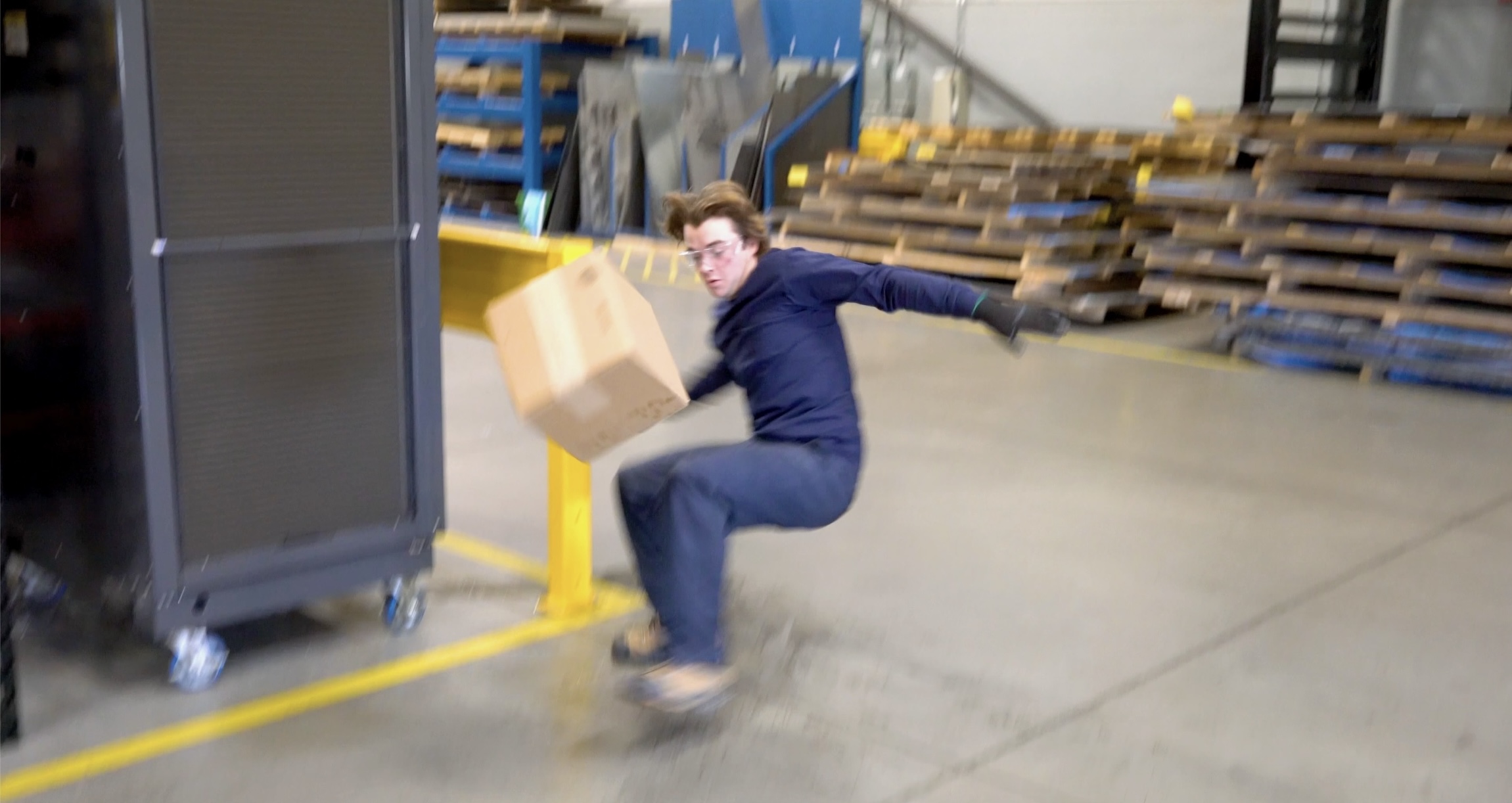

Consider a hypothetical warehouse employee working near the waterfront in Sunset Park, Brooklyn. During a busy afternoon shift, the worker attempts to move a loaded pallet using equipment provided by the employer. The pallet shifts unexpectedly, causing the employee to fall backward and injure a shoulder and lower back.
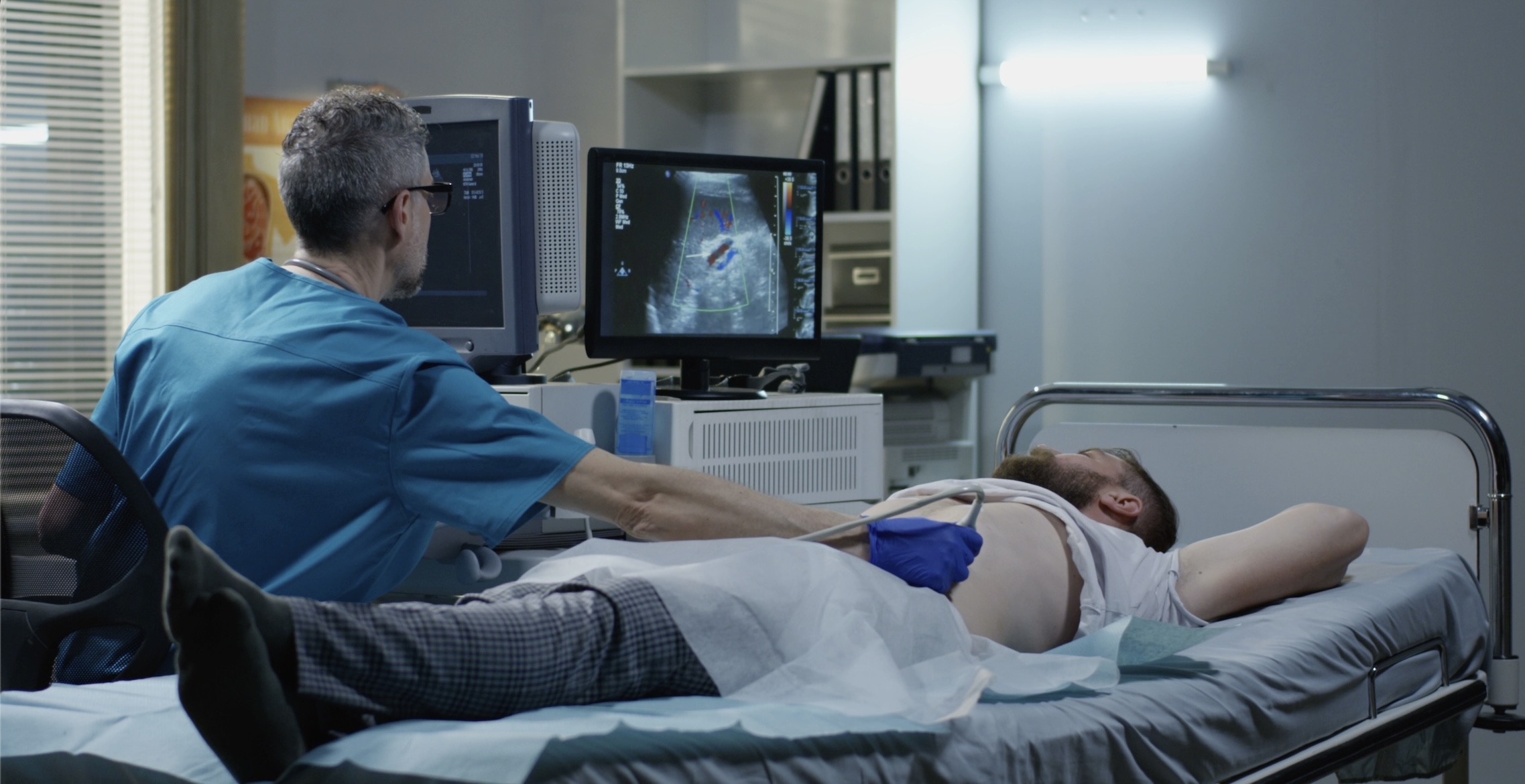
The employee immediately tells a supervisor about the accident and visits an urgent care facility. The physician recommends follow-up orthopedic treatment and restricts lifting, bending, and prolonged standing.
Because the employee's regular position requires loading merchandise and moving heavy materials, returning to work becomes difficult.
The worker assumes the employer's accident report automatically starts a workers' compensation claim. Several weeks later, however, the employee discovers that important filing steps remain incomplete.
In this fictional example, the worker schedules a free consultation with a workers' compensation attorney. The worker brings the employer's accident report, medical records, work restrictions, and available wage statements.
The attorney explains the distinction between reporting an accident to an employer and filing a formal claim with the New York State Workers' Compensation Board.
The worker then prepares the necessary claim information, including the date and location of the accident, the employer's identity, the nature of the injuries, and the circumstances of the incident.
Accurate reporting matters because inconsistencies between the accident description and medical documentation can lead to questions from the insurance carrier.
As treatment continues, the employee's orthopedic provider documents ongoing symptoms and functional restrictions. These findings become relevant to whether the worker can perform regular duties and whether disability benefits may be payable.
The hypothetical insurance carrier requests additional information concerning the employee's work capacity. The worker learns that medical reports, wage records, and timely responses may affect how the claim proceeds.
Legal representation may involve submitting evidence, addressing insurance objections, and appearing in proceedings before the Workers' Compensation Board when necessary.
This example does not assume a settlement, benefit award, or particular outcome. It illustrates why an injured employee should understand the formal claims process rather than relying exclusively on an employer's internal accident report.
This is a fictional educational scenario, not an actual Cass & Peters client matter.
Prior results do not guarantee a similar outcome.

| Category | Brooklyn 2025 | NYC Average | Highest-Risk Jobs | Common Injuries |
|---|---|---|---|---|
| Total Reported Work Injury Claims | 42,800 | – | Construction, delivery/gig, healthcare, retail, restaurants | Falls, lifting injuries, strains |
| Construction & Worksite Injuries | 8,900 | – | Scaffold work, demolition, renovation, roofing | Falls, fractures, head injuries |
| Delivery & Gig Worker Claims | 6,100 | – | E-bike delivery, courier driving, warehouse pickup routes | Back/knee injuries, collisions, road falls |
| Healthcare & Home Aide Injuries | 9,700 | – | Patient handling, transfers, repetitive lifting | Shoulder/back injuries, strains, repetitive stress |
| Retail, Food Service & Hotel Injuries | 11,400 | – | Stockrooms, kitchens, dishwashing, housekeeping, maintenance | Burns, cuts, slip injuries, repetitive strain |
For more information about filing a workplace injury claim, visit the New York State Workers' Compensation Board, which provides official guidance about workers' compensation benefits, claim procedures, and injured workers' rights.
Cass & Peters Attorneys at Law also offers free initial consultations for Brooklyn workers who need assistance filing or disputing a workplace accident claim. Call (844) 591-3400.


No insurance company wants to go up against Cass & Peters — the go-to NYC Personal Injury and Workers’ Compensation attorneys for the injured. If you’ve been hurt on the job or involved in an accident anywhere in New York City — including in Manhattan: Hells Kitchen & Midtown West, Harlem, Spanish Harlem, East Harlem, Lower Manhattan, Lower East Side, Upper East Side, Upper Manhattan, Upper West Side, Washington Heights, Manhattan Valley, and Inwood:
The Bronx: Morrisania, Morris Heights, South Bronx, Jamaica, , as well as and Long Island.
Queens: Forest Hills, Richmond Hill, Jackson Heights, Corona, Elmhurst, East Elmhurst and North Corona Rego Park, Bayside and Long Island City.
Brooklyn: Mill Basin, Bushwick, Downtown Brooklyn, East New York, Williamsburg
On Long Island:
Great Neck, Garden City, Rockville Center, Hempstead & Roslyn
In Westchester:
Yonkers
In Upstate New York:
Albany, Troy, Schenectady, Newburgh
Our experienced personal injury and workers’ compensation attorneys know how exhausting and intimidating it is to deal with insurance companies, rising medical bills, and lost wages — especially when you’re trying to heal.
From our convenient office at 225 Broadway in Lower Manhattan, we proudly represent clients throughout all five NYC boroughs: , , (North Shore), , and Manhattan.
Whether you were injured in a car accident, hurt on a construction site, or suffered a workplace injury, Cass & Peters is here to help you pursue the full compensation you’re legally entitled to.
Let us fight for your future — schedule your free consultation today. We serve injured workers in 10467, 10456, 10468, 10457, 10471, 10458, 10460, 10472, 10459, 10475, 10470, 10469, 10462, 10474, 10466, 10476, 10452, 10461, 10463, 10455, 10464, 10449, 10479, 10480 and 10451